
The Dáil Éireann Bonds on The Síbín’s Wall
A certificate from the loan that paid for a republic before it existed.
A loan to a country that did not yet exist
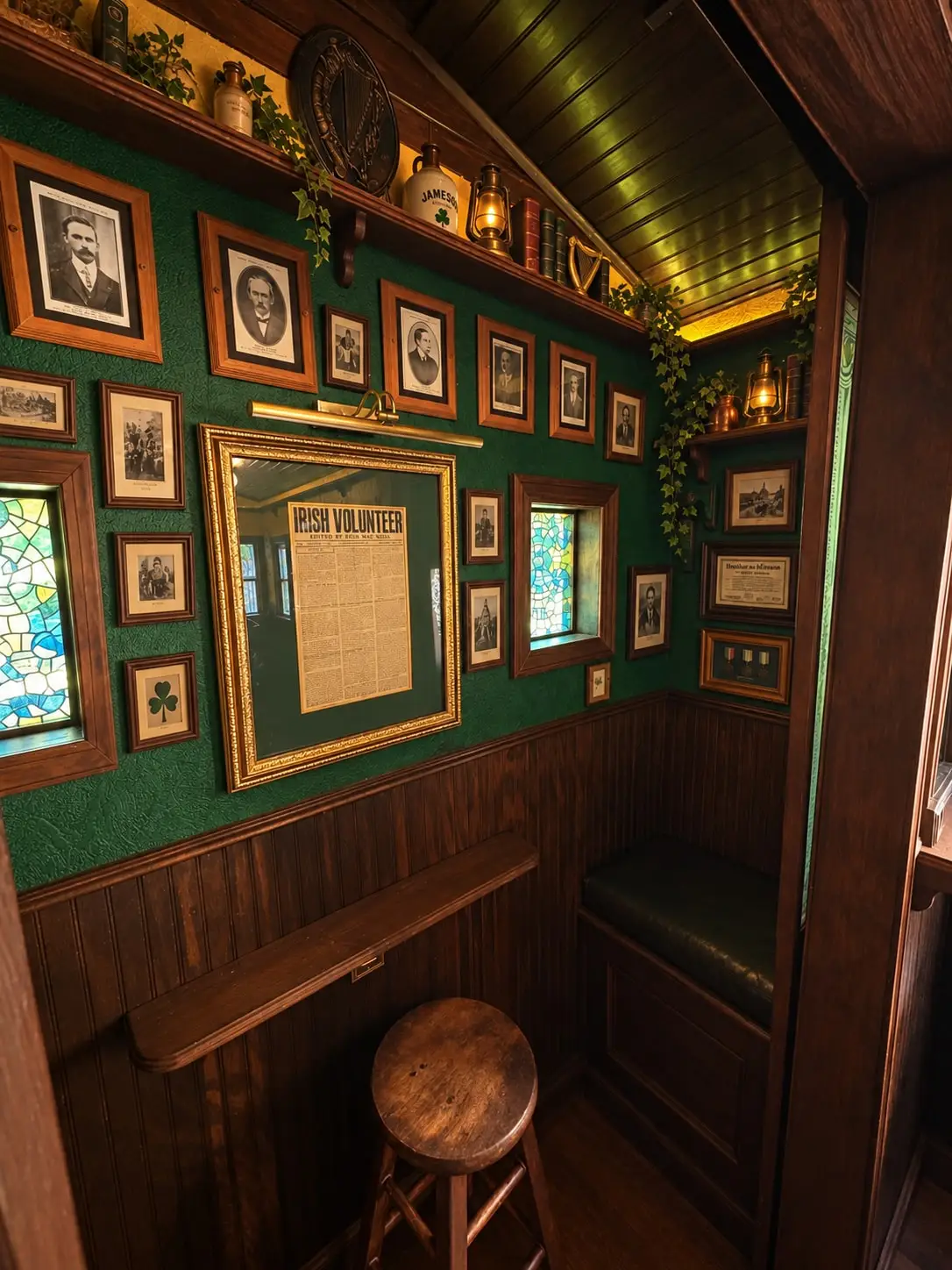
The Dáil Éireann bonds were the certificates of the loan the First Dáil raised in 1919–1921 to fund the Irish independence movement — sold in Ireland under the noses of the British authorities, and in far greater sums across the United States through the Irish diaspora. One of those certificates hangs on the wall of The Síbín, a genuine piece of the founding of the Irish state, inside a pub you can rent.
It sits among the pub’s other Irish history artefacts: a signature of Daniel O’Connell and a 1916 Irish Volunteer newspaper. Here is what a Dáil bond is, and why anyone in Massachusetts should care.
 1919–1921
The Dáil loan, 1919–1921
In January 1919 the Sinn Féin members elected in the previous month’s general election met in Dublin as Dáil Éireann, the parliament of an Irish Republic that no other state yet recognised. A government with no recognition has no tax base, so one of the Dáil’s first acts was to authorise a public loan. Michael Collins, as Minister for Finance, ran the campaign at home.
Raising money for an outlawed parliament was dangerous work. The British administration declared the loan illegal, suppressed newspapers that advertised it, and raided for the subscription lists and the cash. Collecting was done quietly, through local committees and trusted hands, and the money was hidden and moved so the authorities could not seize it. The home loan still exceeded its target.
The American loan
The larger money came from the United States. Éamon de Valera, as President of the Dáil, spent eighteen months touring America from the summer of 1919, speaking to enormous Irish-American crowds and raising funds for the Republic. The American “external loan” was sold in dollar denominations to ordinary people — the price of a few weeks’ wages for many of them — and raised several million dollars — a multiple of what was collected in Ireland.
What subscribers received was not quite a bond but a bond certificate: a promise that it would be exchanged for a proper bond of the Republic of Ireland, with interest, once the Republic was internationally recognised and the British had withdrawn. People bought them knowing full well that might never happen. That is what makes them moving to look at a century on.
What became of them
The Treaty of 1921 brought the Irish Free State rather than the Republic subscribers had paid for, and the funds held in America became the subject of a long legal dispute over who was entitled to them. In the 1930s the Irish government honoured the loan and repaid the certificate holders. A great many certificates were never presented — kept instead in drawers and frames as proof that a family had put money on Ireland when the odds were against it. Those are the ones that survive, in Irish-American homes especially, and one of them now travels around New England inside a pub.
Rent the pub and the bond comes with it.— along with two draft lines, a snug and a bartender from Dublin if you want one
or call (508) 322-1298
The other artefacts
The bond hangs beside a signature of Daniel O’Connell, a man dead more than seventy years before the loan was floated, and a 1916 Irish Volunteer newspaper from the spring of the Rising. All three are introduced on the artefacts page, and the pub itself — rates, capacity and what is included — is on The Síbín’s page. Questions? Ask us.
Questions about the bonds
What were the Dáil Éireann bonds?
They were the certificates issued for the Dáil Éireann Loan of 1919–1921 — money raised by the First Dáil, the parliament of the self-declared Irish Republic, to run its government and fund the independence movement while the British administration was still in place. The loan was sold in Ireland and, in much larger sums, in the United States through Irish America. Subscribers received a certificate recording what they had paid.
Were the bonds ever repaid?
Yes. After the Irish Free State was established, the question of who owned the American funds went through the courts in New York, and in the 1930s the Irish government honoured the loan and repaid the subscribers. Many certificates were never cashed in — families kept them as a memento of having backed the Republic before it existed — which is why they survive on walls like ours.
Is the bond in The Síbín genuine?
Yes, it is a period certificate, not a reproduction. We are documenting its provenance — the denomination, the series, who bought it if that can be established, and how it came to the pub — and will publish that here once it is confirmed. Until then we would rather say less than say something we cannot stand over.
Rent The Síbín for your event
Tell us the date and where you are. The bar, the snug and the history all arrive together.